Tell us about the job
Takes about a minute. No obligation.
A furnace repair in Henry County starts with a question the parts alone cannot answer: what wore this system down. 229 severe weather events were recorded in Henry County, Illinois between 2015 and 2024. At that rate, severe weather is a standing feature of operating a furnace here, not an occasional interruption, and it puts real cumulative stress on components like heat exchangers, ignitors, and blower motors. A contractor has to establish whether a failed part gave out under that load or simply reached the end of its service life before they can tell you what the repair actually requires.
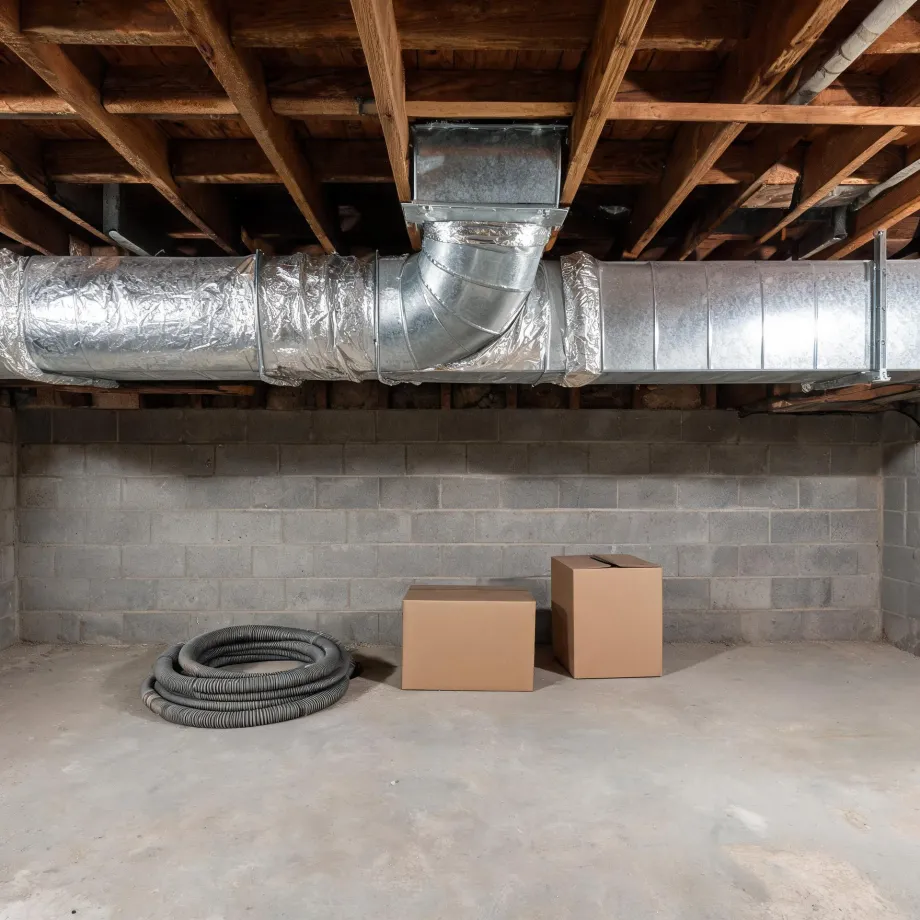
Half the homes in Henry County, Illinois were built in 1961 or earlier (2020-2024 ACS 5-year). A house built that long ago has seen more than one furnace come and go, and whatever is in it now is old enough that its parts may not be stocked locally or at all. When a contractor opens the unit, what settles the repair scope is whether the components that system takes are still manufactured and at what lead time. A heat exchanger or a control board for an older furnace can be the kind of part a supplier has to locate rather than pull off a shelf, and that changes what a repair costs and how long a household goes without heat.
The Parts of a Furnace a Contractor Checks First
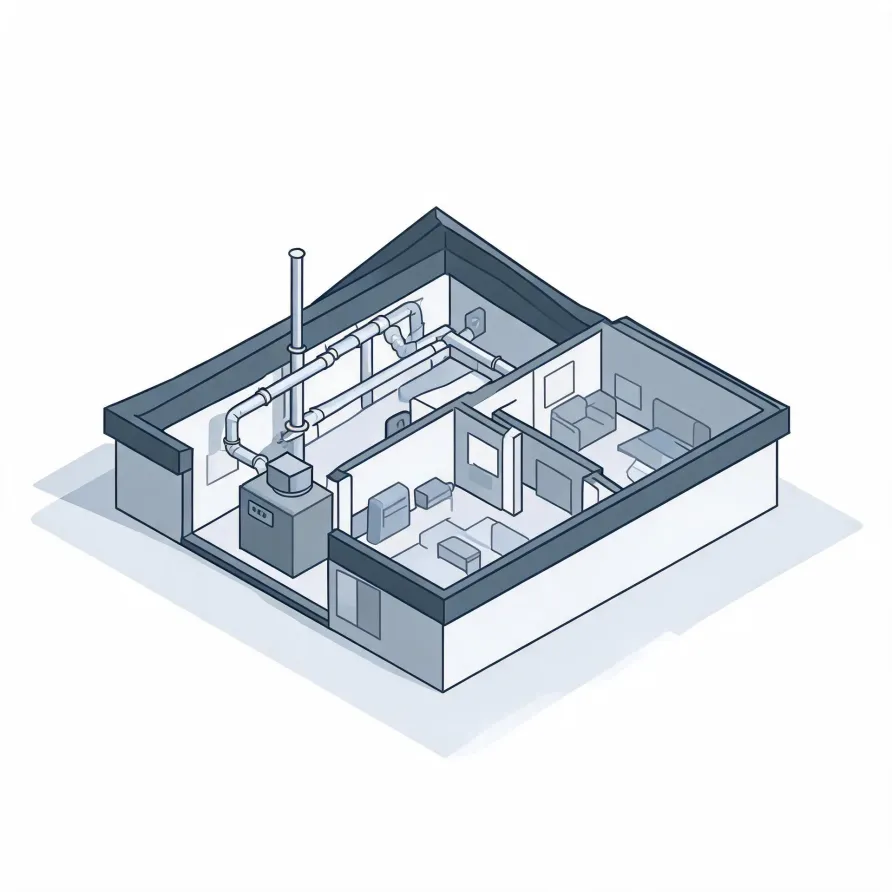
The heat exchanger sits at the core of the furnace cabinet in the basement or utility room, and it is where combustion heat passes into the air your home breathes. When it cracks or corrodes, the furnace may cycle erratically or trip a safety shutoff. The burners feed it directly, and a contractor reads their flame color and pattern to judge whether combustion is running clean.
The blower motor and its fan wheel sit below the heat exchanger and push conditioned air into the supply side of your duct system. The inducer motor, draft pressure switch, and flame sensor each guard a specific step in the ignition sequence, and a fault in any one of them stops the furnace before it lights or keeps it from staying lit. The control board ties all of these signals together and is often where a contractor looks when a symptom does not point cleanly to a single component.
The drawing shows a typical furnace layout, and a licensed contractor determines what applies to the specific equipment and conditions in your house.
Get matched in Henry CountyHenry County, Illinois, by the numbers
229 severe weather events were recorded in Henry County, Illinois between 2015 and 2024.
NOAA National Centers for Environmental Information, Storm Events Database, bulk CSV export, events 2015-01-01 through 2024-12-31.Half the homes in Henry County, Illinois were built in 1961 or earlier (2020-2024 ACS 5-year).
U.S. Census Bureau, 2020-2024 American Community Survey 5-Year EstimatesHenry County, Illinois holds 22,210 housing units (2020-2024 ACS 5-year).
U.S. Census Bureau, 2020-2024 American Community Survey 5-Year EstimatesOwners occupy 79.9% of the occupied homes in Henry County, Illinois (2020-2024 ACS 5-year).
U.S. Census Bureau, 2020-2024 American Community Survey 5-Year EstimatesCodes & Standards Behind Furnace Repair in Henry County, Illinois5 sourced rules and standards
What HVAC Repair Looks Like in Henry County
Non-weatherized gas furnaces manufactured on or after November 19, 2015 must reach 80.0 percent AFUE.
Non-weatherized oil-fired furnaces manufactured on or after November 19, 2015 must reach 83.0 percent AFUE.
Mobile home gas furnaces manufactured on or after November 19, 2015 must reach 80.0 percent AFUE.
Non-weatherized gas furnaces manufactured on or after December 18, 2028 must reach 95.0 percent AFUE, up from the 80.0 percent minimum that applies to units manufactured before that date.
Licensing and Legal Requirements in Henry County, Illinois
Illinois leaves HVAC licensing to the municipality: state law lets the corporate authorities of each city or village examine, license and regulate heating, air conditioning and refrigeration contractors, and caps the licence fee they may charge at $50 — so who licenses you depends on the town you work in.
Severe Weather Events in Henry County
Heating equipment in Henry County works against whatever the local climate throws at it, and that load shapes how often components wear out, fail, or need attention. A contractor who services furnaces here is working in the same conditions this chart reflects.
229 severe weather events, 2015–2024. Source: NOAA National Centers for Environmental Information, Storm Events Database.