Tell us about the job
Takes about a minute. No obligation.
A furnace installation in Shelby County starts with what the equipment will actually be asked to do here. 54 severe weather events were recorded in Shelby County, Illinois between 2015 and 2024. At that rate, severe weather is an occasional fact of life rather than a constant operating load, which means the sizing decisions and installation quality a contractor brings to the job matter more than any weather variable. A system that fails here has almost certainly been pushed by age or a poor original install, and a contractor quoting a replacement will work back through both before settling on equipment and configuration.
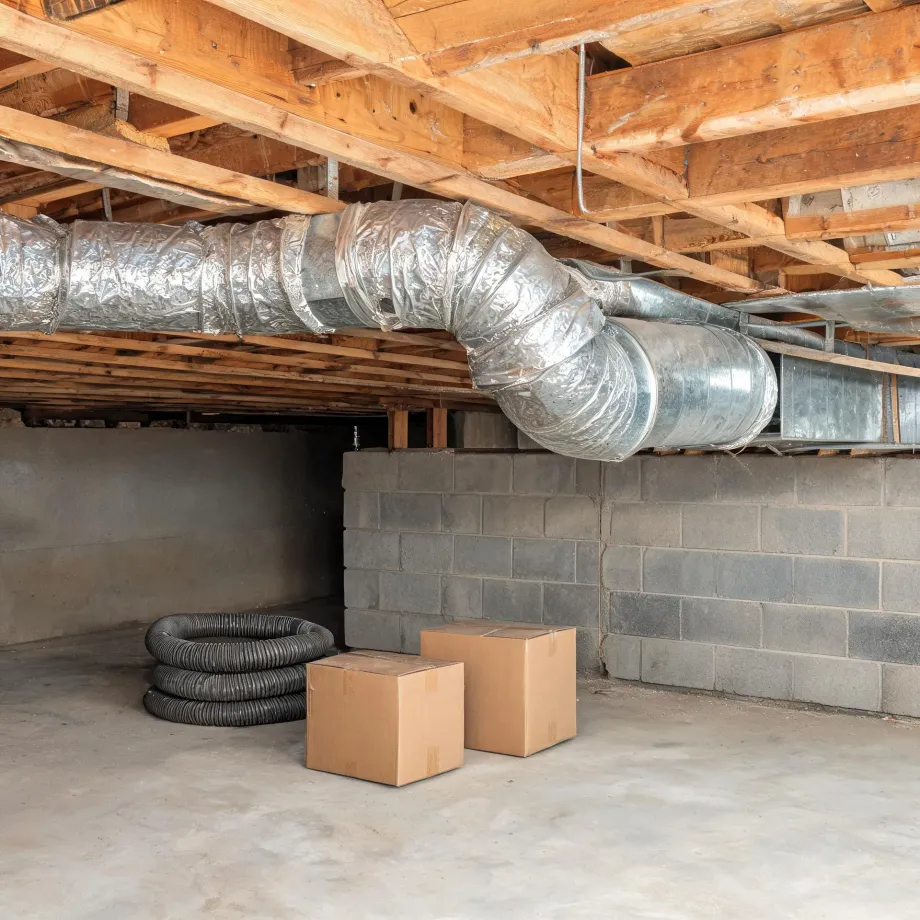
Ductwork laid down before modern forced-air systems were common was built around the equipment of that moment, not around what a contractor is dropping in today. Half the homes in Shelby County, Illinois were built in 1966 or earlier (2020-2024 ACS 5-year). A furnace installation in this county often means a contractor is working through what those original runs can handle: their sizing, their routing, and whether the system pressure a new unit produces will move air the way the layout expects. If the ducts fall short, the furnace does too, regardless of its rated output.
What Gets Installed With a New Furnace
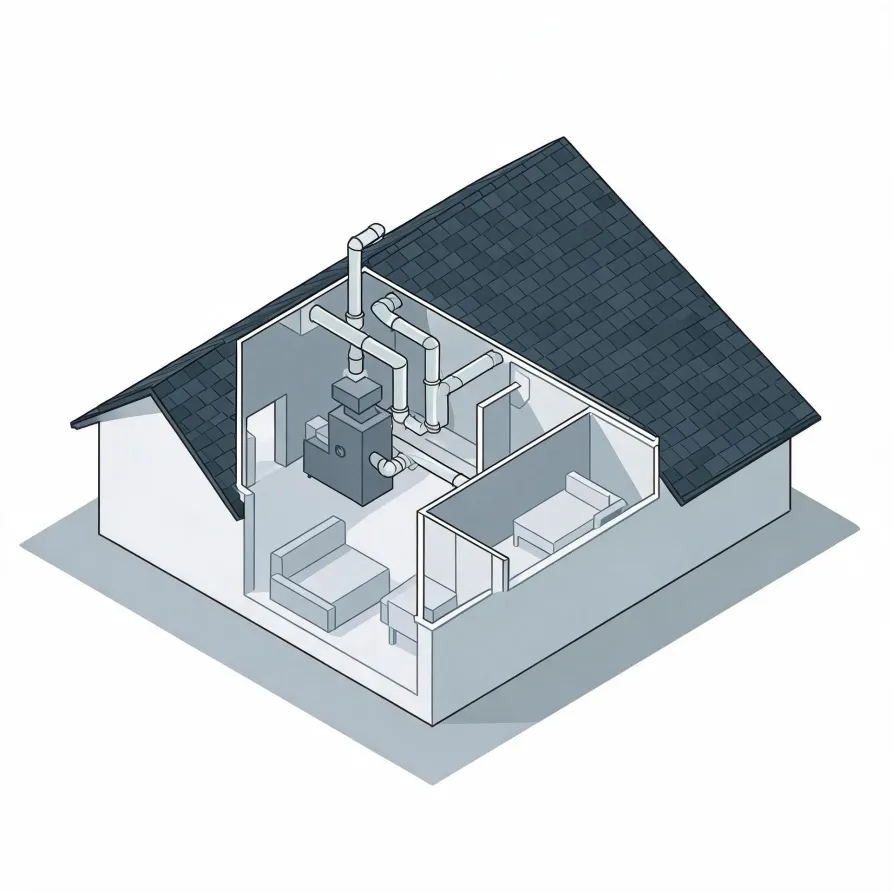
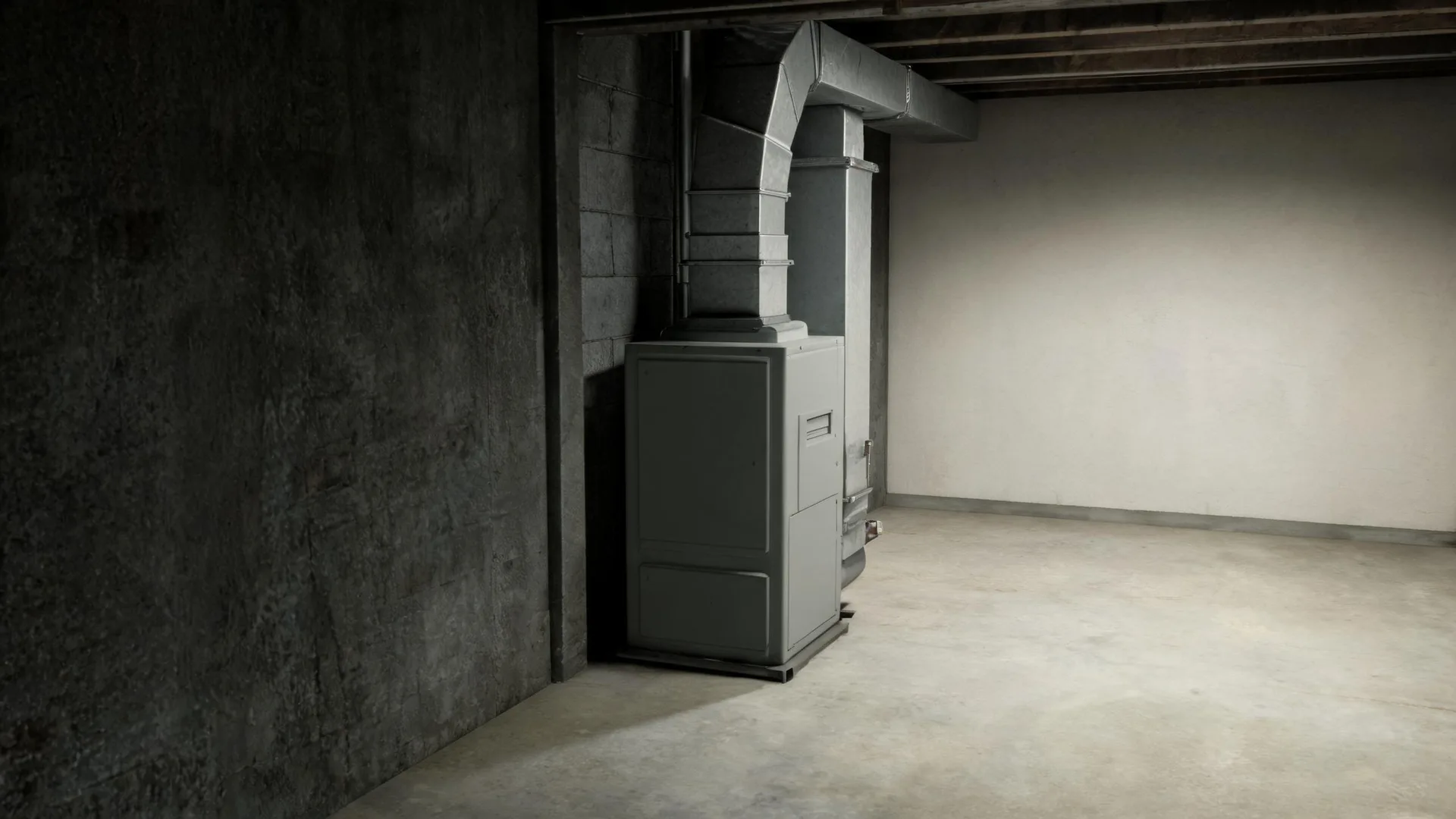
The furnace itself sits in a utility space, basement, or dedicated mechanical closet. Inside the cabinet, a burner assembly generates heat, and a heat exchanger transfers that heat to the air moving through the system. A blower motor then pushes that conditioned air out to the rest of the house.
A flue pipe runs from the furnace up and out of the house, carrying combustion gases away from the living space. Beside or near the furnace, a thermostat connects back to the unit and tells it when to fire and when to stop. A filter housing sits at the air intake, keeping debris out of the cabinet before air reaches the burner.
The drawing shows a typical layout, and a licensed contractor determines what applies to your specific house.
Get matched in Shelby CountyShelby County, by the numbers
54 severe weather events were recorded in Shelby County, Illinois between 2015 and 2024.
NOAA National Centers for Environmental Information, Storm Events Database, bulk CSV export, events 2015-01-01 through 2024-12-31.Half the homes in Shelby County, Illinois were built in 1966 or earlier (2020-2024 ACS 5-year).
U.S. Census Bureau, 2020-2024 American Community Survey 5-Year EstimatesShelby County, Illinois holds 10,060 housing units (2020-2024 ACS 5-year).
U.S. Census Bureau, 2020-2024 American Community Survey 5-Year EstimatesOwners occupy 78.4% of the occupied homes in Shelby County, Illinois (2020-2024 ACS 5-year).
U.S. Census Bureau, 2020-2024 American Community Survey 5-Year EstimatesCodes & Standards Governing Furnace Installation in Shelby County, Illinois5 sourced rules and standards
What the Installation Actually Looks Like
Non-weatherized gas furnaces manufactured on or after November 19, 2015 must reach 80.0 percent AFUE.
Non-weatherized oil-fired furnaces manufactured on or after November 19, 2015 must reach 83.0 percent AFUE.
Mobile home gas furnaces manufactured on or after November 19, 2015 must reach 80.0 percent AFUE.
Non-weatherized gas furnaces manufactured on or after December 18, 2028 must reach 95.0 percent AFUE, up from the 80.0 percent minimum that applies to units manufactured before that date.
Licensing Rules for HVAC Work in Shelby County, Illinois
Illinois leaves HVAC licensing to the municipality: state law lets the corporate authorities of each city or village examine, license and regulate heating, air conditioning and refrigeration contractors, and caps the licence fee they may charge at $50 — so who licenses you depends on the town you work in.
Severe Weather Events in Shelby County
Shelby County weather puts real demands on heating equipment, and those demands shape how a furnace should be sized and installed. A contractor who knows the local pattern installs accordingly.
54 severe weather events, 2015–2024. Source: NOAA National Centers for Environmental Information, Storm Events Database.