Tell us about the job
Takes about a minute. No obligation.
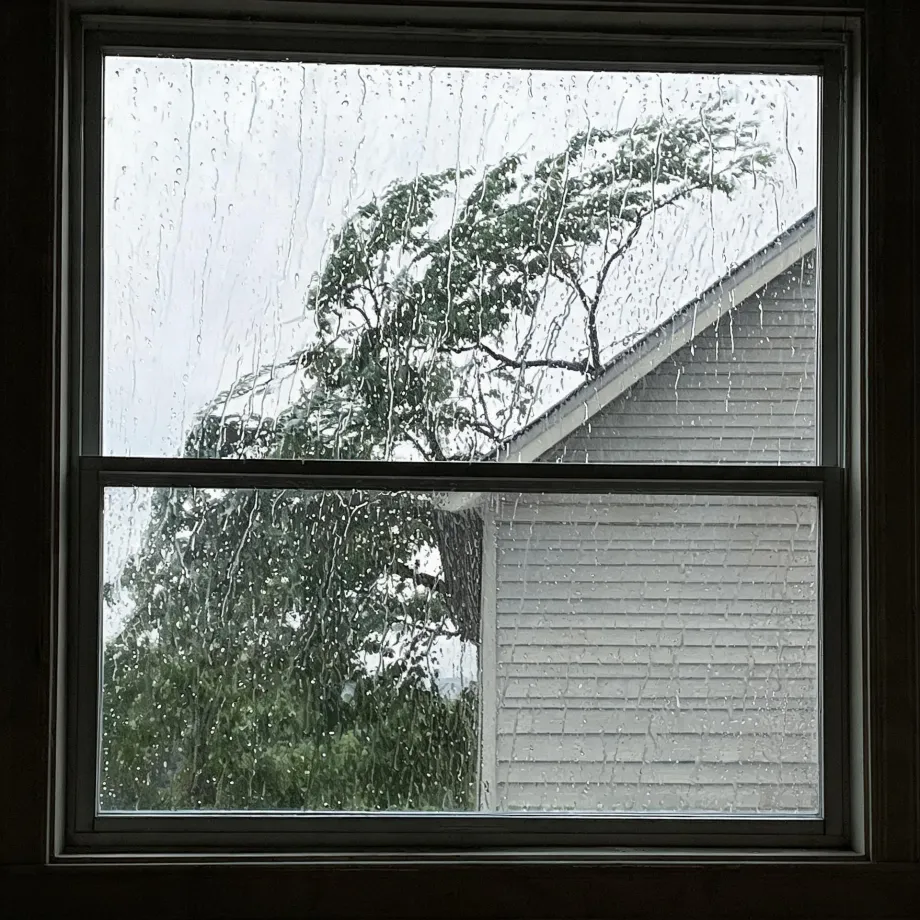
A furnace repair call here almost always comes down to the same two questions: how old is the equipment, and how well has it been kept up. 73 severe weather events were recorded in Douglas County, Illinois between 2015 and 2024. Severe weather at that rate is real, and a contractor accounts for it when looking at the heat exchanger and pressure switches. But a furnace that dies mid-winter in Douglas County is far more likely failing from years of deferred filter changes and worn igniters than from storm load. A contractor will check both, and the weather record will inform the inspection, but it rarely writes the repair order.
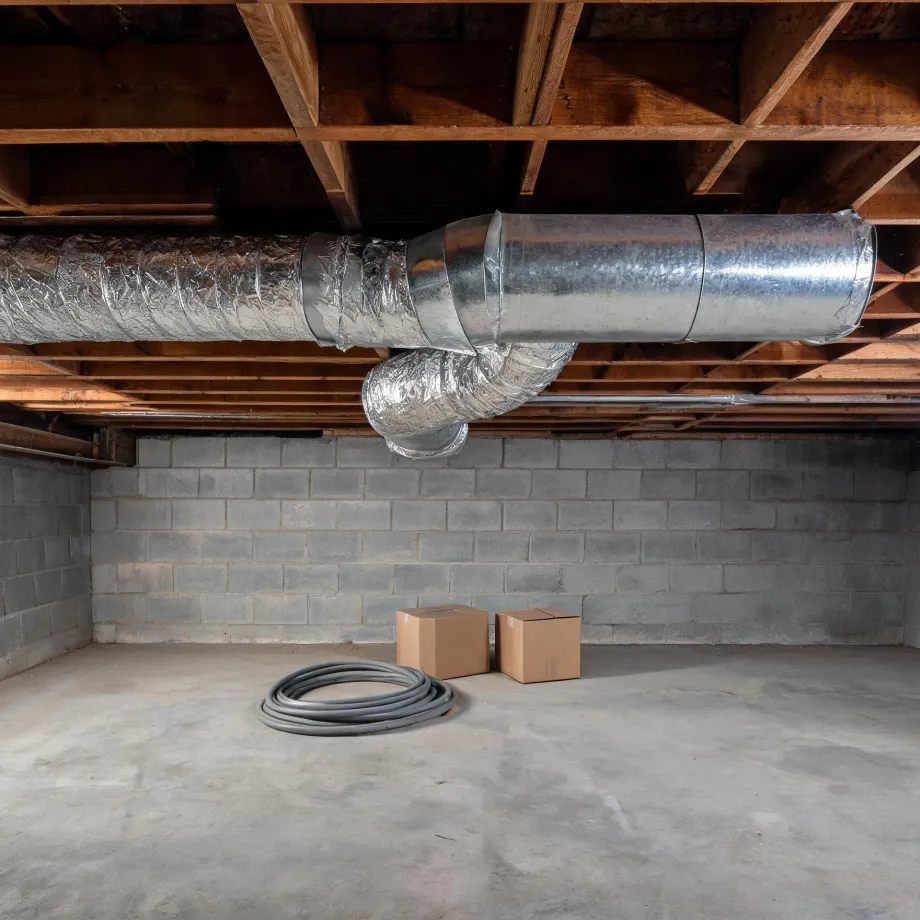
Half the homes in Douglas County, Illinois were built in 1967 or earlier (2020-2024 ACS 5-year). A furnace that has run through that much seasonal demand is likely on its second or third set of major components, and what a contractor finds once the heat exchanger or the control board is out determines whether the repair is straightforward or whether the part it needs has been discontinued. Sourcing a replacement for equipment tied to an older production run can extend the job considerably, and that possibility belongs in any honest quote before the work begins.
The Parts of a Furnace a Contractor Checks First
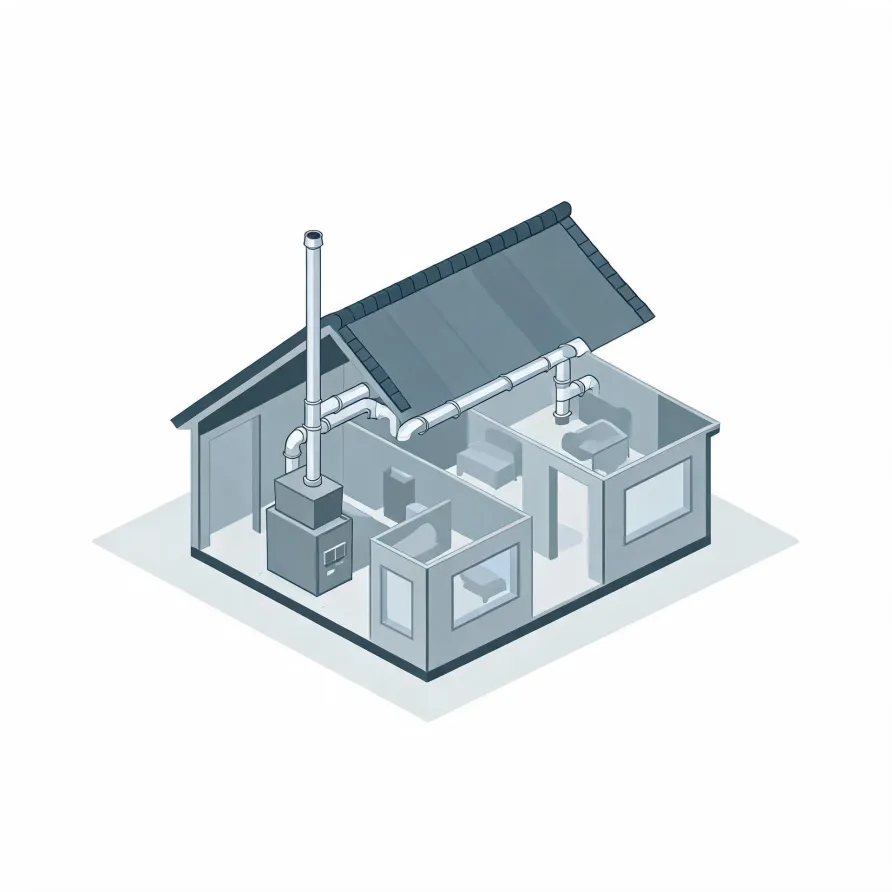
The furnace itself sits in the basement, utility room, or closet and is the heart of the system. Inside it, the heat exchanger is the piece a contractor looks at closely during a repair call. Cracks or failures there affect both performance and safety.
The blower motor moves conditioned air out of the furnace and into the home's supply side. The burner assembly, the igniter, and the flame sensor all work together to start and sustain combustion. When a furnace stops heating or short-cycles, these are the components a contractor traces first.
The drawing shows a typical furnace layout, and a licensed contractor determines which parts apply to your specific system and situation.
Get matched in Douglas CountyDouglas County, by the numbers
73 severe weather events were recorded in Douglas County, Illinois between 2015 and 2024.
NOAA National Centers for Environmental Information, Storm Events Database, bulk CSV export, events 2015-01-01 through 2024-12-31.Half the homes in Douglas County, Illinois were built in 1967 or earlier (2020-2024 ACS 5-year).
U.S. Census Bureau, 2020-2024 American Community Survey 5-Year EstimatesDouglas County, Illinois holds 8,507 housing units (2020-2024 ACS 5-year).
U.S. Census Bureau, 2020-2024 American Community Survey 5-Year EstimatesOwners occupy 76.9% of the occupied homes in Douglas County, Illinois (2020-2024 ACS 5-year).
U.S. Census Bureau, 2020-2024 American Community Survey 5-Year EstimatesCodes & Standards Behind Furnace Repair in Douglas County, Illinois5 sourced rules & standards
What HVAC Repair Looks Like in Douglas County
Non-weatherized gas furnaces manufactured on or after November 19, 2015 must reach 80.0 percent AFUE.
Non-weatherized oil-fired furnaces manufactured on or after November 19, 2015 must reach 83.0 percent AFUE.
Mobile home gas furnaces manufactured on or after November 19, 2015 must reach 80.0 percent AFUE.
Non-weatherized gas furnaces manufactured on or after December 18, 2028 must reach 95.0 percent AFUE, up from the 80.0 percent minimum that applies to units manufactured before that date.
Licensing Rules for HVAC Work in Douglas County, Illinois
Illinois leaves HVAC licensing to the municipality: state law lets the corporate authorities of each city or village examine, license and regulate heating, air conditioning and refrigeration contractors, and caps the licence fee they may charge at $50 — so who licenses you depends on the town you work in.
Severe Weather Events in Douglas County
Weather puts load on heating equipment in ways that vary by location. How hard a furnace works over its life depends on what the local climate demands of it, and that makes repair needs a local question.
73 severe weather events, 2015–2024. Source: NOAA National Centers for Environmental Information, Storm Events Database.